





Table of Contents
Early works by King, including Carrie, The Shining, and It, have helped him gain massive popularity, and his works are still read today by people all over the world. The themes of fear, human nature, and small-town life are recurrent in his books, and they are based on his own experiences.
Stephen King is married to Tabitha King, who is also a writer. The couple is blessed with three children, and they have lived primarily in Maine and Florida and continue to maintain a private but creative life
Who is Stephen King?
Stephen King is recognized as one of the most prolific and influential writers in the history of present-day literature. Born into a working-class family in Portland, Maine, King has earned distinct recognition in penning horror fiction novels. He has entranced the hearts of readers from all over the world with his more than 60 novels, well above 200 short stories, and numerous novellas. It is worth noting that King often writes novels based on a variety of spectral aspects, such as paranormal, psychological intimidation, and the dreadful aspects of the human soul.
King wrote the very first novel in 1974, titled Carrie, which resonated with the audiences mightily and rode him high on success. Considering the massive success of the novel, its story was shortly transitioned to a successful film. His other legendary movies, such as The Shining, It, and Misery, did not only find a devoted audience but also inspired a lot of film and TV adaptations and shaped the genre of horror movies for generations.
In addition to his horror fiction, King has also explored fantasy, science fiction, and suspense in books, such as The Dark Tower series and The Institute. He is an esteemed figure in modern literature and married to fellow author Tabitha King.
How old is Stephen King? Stephen King’s Age & Birthday
Stephen King is 78 years old and will turn 79 on his birthday in September 2026. Born on September 21, 1947, in Portland, Maine, Stephen King is one of the most persistent and renowned authors in contemporary American literature. Fans worldwide tend to emphasize his birthday as the occasion that acknowledges his long-standing contribution to the field of fiction, especially the horror and suspense genres. King has remained a prolific writer over the decades, and it has shown that creativity and narrative have no age restrictions.
Stephen King’s Early Life and Education
Stephen King’s early life was not easy, which would shape his writing at a later time. His father abandoned the family when King was very young, and he was brought up by his mother, Nellie Ruth King, who had to take on several jobs in order to support him and his brother. King, during his childhood, would often switch various schools, an experience that exposed him to various communities and worldviews.
King was interested in reading and telling stories at a tender age. He specifically took fascination with horror comics, science fiction magazines, and classic monster movies that all contributed to influencing his imagination significantly. While King was studying in high school, he had already written short stories and was selling them to classmates.
Stephen King pursued higher education at the University of Maine, where he studied English. He took part in writing for the school newspaper and graduated with a bachelor’s degree. His educational life laid the foundation for his future literary success.
Who is Stephen King’s Wife?
Stephen King’s wife is Tabitha King, a proficient author and philanthropist who has played a seminal role in his personal and professional life. Tabitha King was born on March 24, 1949, and had her own literary works, such as novels and short stories, which frequently dealt with family life, social problems, and psychological realism. She and Stephen King met each other when they were students at the University of Maine.
Tabitha King is well known to have been a supporter of Stephen King in his initial days of his career. The most prominent event in their relationship took place when she saved Carrie’s manuscript of Carrie out of the garbage and encouraged him to keep working on it. Her encouragement was critical, because Carrie was the novel that took his career off the ground.
The couple has three children and has been married since 1971 and has enjoyed a long-lasting relationship based on creativity, mutual respect, and love of telling stories.
What is Stephen King’s Net Worth in 2026?
The net worth of Stephen King is estimated to be over 500 million USD, which makes him one of the most successful and richest authors in the world.
The net worth of Stephen King serves as a testimony to his incredible success in his career as one of the most popular and powerful writers in modern literature. Since the stories of King’s novels often appeal to his audiences extensively, it comes as no surprise that his novels are put on sale on a regular basis worldwide, enabling him to make his fortune broadly.
While Stephen King is basically a novelist, suffice it to say that a lion’s share of his net worth comes from a broad spectrum of novels, novellas, and brief stories. It is worth noting that most of his novels are still on brisk sale even years after their initial release. Moreover, many of his novels have been adapted to various prominent movies, for example It, The Shining, and Misery, contributing in enhancing his net worth in terms of licensing and royalty deals.
Besides his writing revenues, King has also enjoyed collaboration, special editions, and the occasional appearance in adaptations of his own stories. Although he was very successful in a financial way, he has a reputation of being a generous philanthropist who contributed to education, libraries, and community projects.
Stephen King’s Net Worth over the Years
| Year | Net Worth Estimate | Growth Rate |
| 2025 | $500 Million | 0% |
| 2024 | $500 Million | -16% |
| 2023 | $600 Million | 9.09% |
| 2022 | $550 Million | 10% |
| 2021 | $500 Million | N/A |
Stephen King Writing Career & Literary Journey
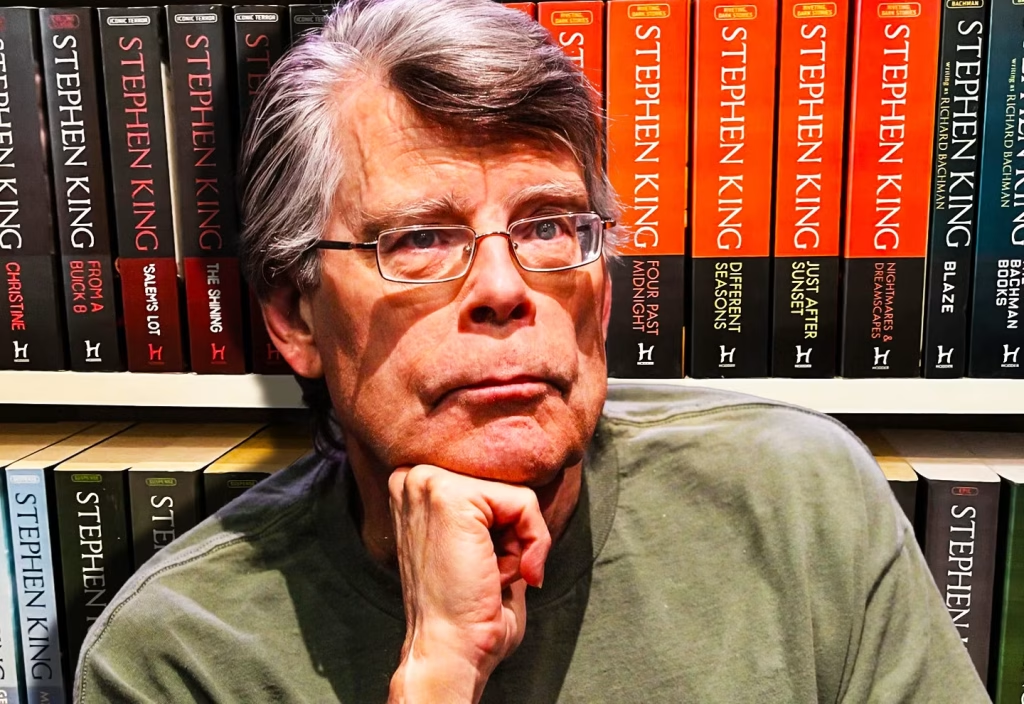
Stephen King’s writing career was not easy, and faced strong criticism. Despite this, he did not retreat and braved the situation boldly to survive as a writer. In the early career of his writing, he was a short story author who would often write for magazines. Meanwhile, he also served as an English teacher in Maine to sustain his family. His breakthrough came in the year 1974 when he published a novel titled Carrie, which immediately became popular and marked the beginning of his fame in the literary world.
After gaining this success, Stephen King authored a variety of novels that marked contemporary horror and suspense. The Shining, Salem’s Lot, It, and Misery are some of his notable works that solidified his reputation for blending psychological profundity with the supernatural. His books are generally very relatable, as his narrations often touch on fear, morality, and the intricacies of human behavior.
Over time, King branched out of horror into fantasy, science fiction, and drama, including The Dark Tower series. His literary journey has been one of the most powerful in modern American literature due to his consistency, discipline, and imagination range.
Breakthrough With *Carrie* and Industry Validation
Stephen’s breakthrough came in 1974 with the publication of a specific novel titled Carrie, which was to change the course of his life and career for good. King was also financially struggling at the time and teaching English in high school and writing in his free time. Carrie was originally a short story, and King was not initially convinced of its potential and even almost gave up on the manuscript before its completion.
The success of the novel was beyond comparison. Carrie quickly earned substantial cachet because of its unusual combination of psychological horror and supernaturalism, with its focus on a misunderstood adolescent girl. The book was an instant commercial success and received critical acclaim, heavily gripping the attention of publishers and film producers. The massive success of the novel furnished King with financial stability and professional status overnight.
The validation of the industry came shortly after, with Carrie being transformed into an extremely successful film. This adaptation affirmed the storytelling strength of Stephen King and made him a legitimate literary voice. Meanwhile, this also laid the foundation of future publishing and film opportunities shortly.
Stephen King’s transition From Teacher to Full-Time Author
Stephen King was a high school English teacher and had a low income to support his family before he earned recognition as a literary figure. While writing was something King was primarily interested in, he often used to write late at night and early in the morning under harsh conditions. King has a good grasp of storytelling, and while his initial works were turned down outright by publishers, he never stopped trying but did his best to improve his craft and make submissions.
While Carrie turned out a real smasher, it helped a lot in reinforcing the financial stability of Stephen King and let him quit his teaching job to his delight. The burgeoning demand and brisk sales of novels worldwide encouraged King to focus more on writing, raising his net worth more. That was a time when he started dedicating himself to creating and penning intricate storylines and memorable characters without having to hinge on the hectic teaching job.
Industry validation was quick to come as publishers, critics, and readers acknowledged King as a significant literary talent. King’s status was further cemented by film adaptations and consistent bestseller rankings, which established him as one of the most respected and influential authors in modern American literature.
Stephen King Long-Term Writing Discipline and Professional Consistency
Stephen King’s success is highly entrenched in his disciplined writing habit and consistent professionalism over a long period. From the initial phases of his professional career, King made sure to have an unflinching daily writing regimen, and he usually wanted to cover a set amount of words in a day. This rigorous style enabled him to make writing a vocation and not a pastime so that he could make consistent progress despite lack of inspiration or depression.
Stephen King has been able to sustain this work ethic over the years through various phases of life, even when he has been experiencing personal challenges or gone through significant events in life. His devotion to daily writing enabled him to develop a huge volume of work that spans decades. Rather than waiting for inventive inspiration, King focuses on turning up each day, and this has seen a steady flow of novels, short stories, and essays.
Such a level of consistency has enhanced his career reputation in the publishing field. Both readers and publishers confer a trust on him, as they are sure that with every new publication, he puts in a lot of effort to produce high-quality works. The writing routines of Stephen King have been instrumental in the long-term literary success of this writer.
Stephen King Books & Bibliography
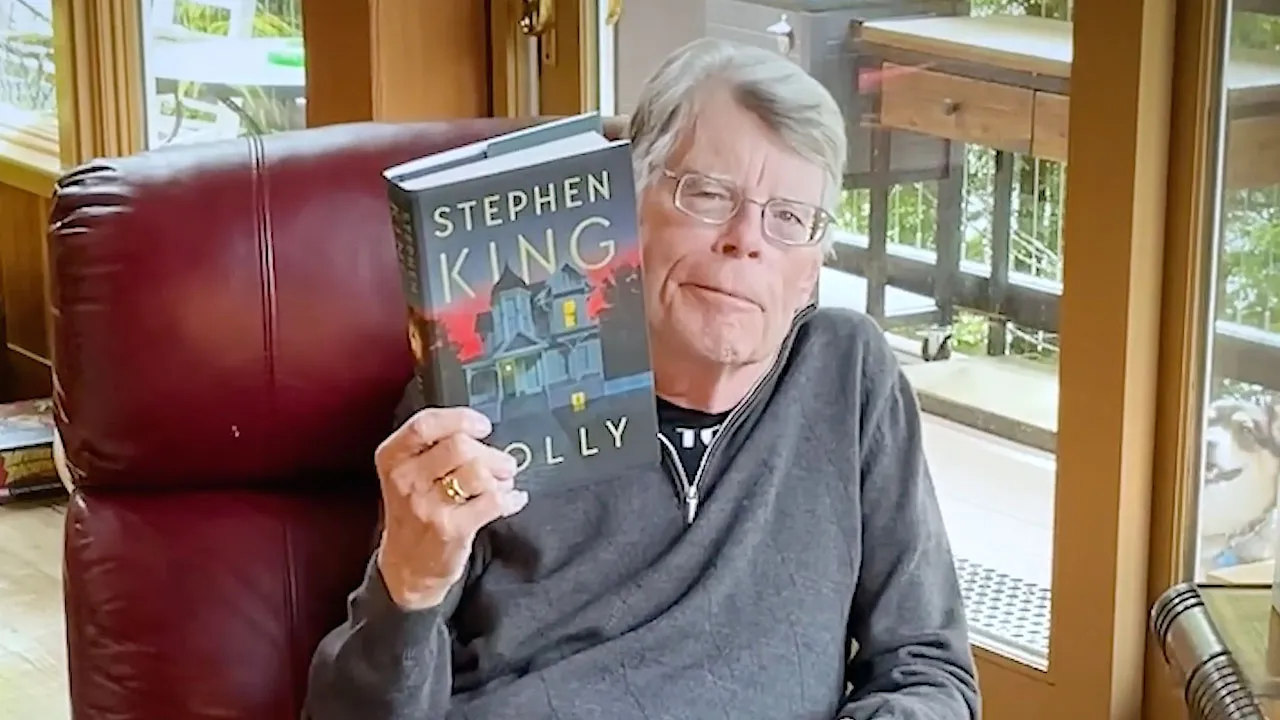
Stephen King has made one of the most comprehensive and highly regarded contributions to the world of literature today. He has written dozens of novels, novellas, collections of short stories, and many of the works cross genre lines between horror, suspense, fantasy, and science fiction. As a writer of captivating stories, he has developed a devoted following worldwide and has received critical recognition in multiple genres.
Some of the best-known works of Stephen King include Carrie, The Shining, Salem’s Lot, It, Misery, and Pet Sematary. The works not only help define his career but also play an important role in shaping the current definition of horror, blending psychological dimensions with supernatural elements. Besides individual novels, King is also known to have created a complex and ambitious body of work, The Dark Tower series, a blend of fantasy, horror, and western aspects.
In addition to novels, Stephen King has published many short story collections, including Night Shift and Skeleton Crew. His huge bibliography is constantly expanding, and he remains creative and devotes his time to telling stories.
Canonical Stephen King Novels
The canonical novels by Stephen King are the main works that have characterized his legacy and made him a master storyteller. The books are frequently regarded as the essential reading to understand his themes, narrative style, and the impact that he has had on modern fiction. King created memorable characters, richly developed settings, and a unique combination of psychological tension and supernatural aspects in these novels.
Carrie, The Shining, Salem’s Lot, It, and Misery, among others, are some of the best-known canonical works of Stephen. All these novels underscore another side of the King’s storytelling power, whether it is from the coming-of-age horror in It or the extreme psychological isolation depicted in The Shining. These narratives address the concept of fear not as a supernatural entity but as a very deep-seated human experience based on trauma, guilt, and moral dilemma.
Stephen King Short Story Collections and Narrative Experiments
The short story collections of Stephen King demonstrate his diversity and desire to explore the narrative structure. Although he is best recognized for his long novels, King has consistently shown that he can convey strong storytelling in brief. His short stories enable him to experiment with radical concepts, out-of-the-blue twists, and extreme emotional charge in a narrow format.
Some of his most famous and influential stories can be found in collections, such as Night Shift, Skeleton Crew, and Different Seasons. These works experiment with structure, point of view, and genre and combine horror with science fiction, drama, and psychological suspense. Stories, such as The Shawshank Redemption and The Body, emphasize the fact that King has managed to overcome horror and concentrate on human relationships and personal development.
Through short stories, Stephen King tends to experiment with ideas that vary from his novels. This artistic freedom has enabled him to explore the limits of narrative boundaries and perfect his art. His collections of short stories are still fundamental reading material, as they provide an insight into his imagination as well as his development as a writer.
Stephen King Non-Fiction Works
Besides his renowned fiction, Stephen King has also contributed significantly to the world of literature through his nonfiction books. On Writing: A Memoir of the Craft is one of the most revered manuals for aspiring and established writers alike. The book is a personal memoir mixed with practical lessons that provide a unique insight into King’s life, his struggles, and his creative process.
Stephen King in On Writing talks about the basics of storytelling, such as vocabulary, grammar, discipline, and honesty in writing. Rather than introducing strict rules, he stresses the importance of being clear, consistent, and devoted to everyday practice. The book is authoritative and easy to read because his advice is based on real experience. King also tells about his own struggles, including his addiction, which brings more depth and sincerity to his advice.
In addition to On Writing, King has authored essays and commentary, which reflect his opinion on literature and culture. His nonfiction works have altogether strengthened his image as not only a superb storyteller but also as a reliable expert on the art of writing.
Stephen King Writing Style, Themes, and Craft Expertise
Stephen King’s writing style is characterized by its clarity, accessibility, and high degree of realism. He employs simple words and striking descriptions to create immersive worlds that appear believable and familiar to the fullest. In this way, readers can readily identify with his characters until the story turns to the darker or supernatural side, which adds more emotion to his stories.
Themes in Stephen King’s work are usually based on fear, morality, childhood trauma, and the striving between good and evil. He often locates his narratives in small towns, and he has explored human imperfections, secrets, and social tension therein. Rather than focusing on horror aspects solely, King mostly relies on the psychological aspect and how common people react to unusual situations.
Stephen King’s talent as a storyteller comes from his learned skills as a writer and his ability to manipulate the structure and rhythm of his writing to build suspense. He creates detailed and developed characters while simultaneously maintaining the pace of his narrative in extremely lengthy books. His dedication to writing every day and telling the truth has not only earned him a bestselling author title, but also earned him authority in the writing field.
- Psychological Horror, Fear, and Human Nature
Stephen King’s grasp of psychological horror helps him stand out from several other writers in the genre. Although supernatural aspects usually play a significant role in his work, it is his inquiry into fear and human nature that makes his stories really terrifying. King explores the inner world of his characters, revealing their weaknesses, fears, and their worst nightmares, making them familiar to readers.
In novels, such as The Shining and Misery, King addresses the issue of how fear can be expressed not only as a physical threat but also as a psychological phenomenon that can unscramble the mind. The isolation, paranoia, and inner struggles of his characters are a lot scarier than the outside threats they have to deal with. By focusing on the human mind’s instability, his work becomes more intricate and his horror more compelling and profound.
The knowledge of human nature enables the King to make villains not mere monsters but the embodiments of the worst in us. His psychological horror can compel readers to face their fears, and sometimes it is hard to distinguish between what is real and what is imagined.
- Small-Town America as a Literary Device
Small-town America is a strong and repetitive literary device in the work of Stephen King. King’s stories are often set in seemingly tranquil, serene towns in which the depths of humankind are hidden below a surface veneer of politeness and civility. This setting allows him to better understand human connections, the interactions within a community, and the secrets and fears that can grow in small town environments.
In King’s works, towns such as Derry in It and Castle Rock in several of his novels serve as characters that shape the events that unfold and influence the psychological states of the individuals that inhabit them. While these towns may appear familiar and welcoming, each often contains hidden dark secrets. Each town may house elements of interaction among its inhabitants, such as acts of violence and trauma, as well as events described as supernatural. By placing the ordinary and mundane into juxtaposition with the horrific and monstrous, a more powerful effect is created in King’s stories.
The literary device of small towns enables King to explore universal themes, such as isolation, collective memory, and the effects of past events on current life. It highlights the fact that even the most mundane environments may hide some extraordinary dreads.
- Story Structure, Character Development, and Language Use
Stephen King’s mastery of story structure creates suspense through extended tension and keeps reader interest piqued throughout the entire narrative—this is how he establishes his story structure, consisting of three distinct acts and integrating a beginning, middle, and ending with a climax. King has a great grasp of connecting several plot lines, and in doing so, he tends to employ non-linear timelines to develop suspense and complexity. His pacing permits a slow build of tension, and the readers feel uneasy even before the horrors of the story unveil.
Another key strength of King in writing is the development of characters. He is stocking his novels with multidimensional characters that are real and relatable. It is either a group of childhood friends in It or a reclusive writer in Misery, but in both cases, King creates characters that slowly develop during the narrative, experiencing personal challenges, fears, and moral dilemmas, which appeal to readers.
The language that King uses is simple and effective. His style of writing is easy to understand, and his language is simple, which adds more emotion to his stories. His writing skills give readers the opportunity to visualize settings and empathize with characters, making the horror personal and close to them.
Stephen King’s Movie & TV Adaptations
Many works by Stephen King have greatly impacted film and television in addition to print – many novels and short stories have been adapted from his works into successful films and TV programs due to the strength of their characters, the strength of their plots and the ability to easily transfer the element of suspense from the written page to the screen. Examples of such successful adaptations are The Shining, Carrie and It, all of which have been embraced by popular culture because of their ability to embody and translate King’s style and allow for creative cinematic adaptations of his work.
The adaptations include psychological thrillers and epic horror, and filmmakers interpret the themes of fear, trauma, and human nature in the works of King differently. Some of the adaptations, such as The Shawshank Redemption and Stand by Me, are cherished for their emotional resonance, whereas others, such as Pet Sematary and The Dark Tower, have been criticized for being too simplistic in their portrayal of the richness of the original stories by King.
King is still being adapted to contemporary audiences, and his works are being adapted into movies and television shows, including Castle Rock and Doctor Sleep, which have extended his literary world and established him as a narrator in various forms.
Stephen King’s Influence and Cultural Impact
Stephen King’s impact on literature and popular culture is much more than bestselling novels. The narrative of his work has transformed contemporary horror, inspired generations of innovators, and created a particularly close connection with the audience of readers all around the globe.
Redefining Horror in Modern Literature
Stephen King revolutionized the horror genre. He based his horror on ordinary life as opposed to extreme supernatural shocks. King enhanced emotional connections between characters and readers by developing real-world settings and applying psychological characteristics to the characters, making his horror more relatable and disturbingly realistic. With the addition of drama, fantasy, and social commentaries, King made the horror genre a legitimate literary genre in mainstream culture. His style demonstrated that horror could address human fears, trauma, and morality and be a successful commercial and critical success.
Influence on Contemporary Authors and Screenwriters
Numerous modern authors and filmmakers have drawn on King’s narrative method and have attempted to create similar characters and worlds as part of their stories by adopting the elements of King’s narrative style, which includes strong characterization, dialogue, and creative immersive settings. King has been quoted by many writers as an example of his discipline, productivity, and skill in striking a balance between the popular appeal and the narrative. His works also influenced cinematic storytelling by affecting the way it is paced, structured, and toned in film and television adaptations.
Relationship With Readers and Fan Communities
Stephen King has developed a long-term and personal relationship with readers due to accessibility and authenticity. He also interacts with fans through interviews, essays, and social media and creates a feeling of mutual respect. The fact that he is open to his writing process makes readers feel like they are a part of it, building fan communities that read, analyze, and celebrate his work across generations.
Stephen King has left a significant cultural legacy through innovation, influence, and reader engagement. His works still influence literature, inspire artists, and unite readers all around the world.
Stephen King’s Awards and Achievements
The outstanding career of Stephen King has been marked by various awards and achievements that have established him among the most powerful writers of contemporary times. His works in literature, particularly in the horror genre, have been praised by his contemporaries, critics, and even fans. Some of the most important accolades that demonstrate the outstanding legacy of King are listed below:
- Bram Stoker Awards: King has received several Bram Stoker Awards, a horror-writing award. His writing has garnered him multiple awards for his novels, such as It and The Shining.
- Hugo Awards: Hugo Awards was awarded to Stephen King, for being the author of The Dark Tower series, to establish his impact on science fiction and fantasy genres
- National Medal of Arts: In 2015, President Barack Obama gave King the National Medal of Arts, which is a response to his great contribution to American culture and literature.
- Locus Awards: King has also won many Locus Awards, especially for his work in the horror and fantasy genres.
- New York Times Bestsellers: Several of King’s novels, such as Carrie, The Stand, and 11/22/63, have topped the bestseller list in the New York Times, proving that he is still commercially successful.
- Lifetime Achievement Awards: King has won a number of lifetime achievement awards, including the World Fantasy Award and the Edgar Allan Poe Award, as a result of his continuing impact on the genre of fiction.
The awards and the achievements of Stephen King not only emphasize his prolific work but also remind the audiences of the broad scope of the influence of his narratives on literature, films, and pop culture. His work is still an inspiration to generations of writers and readers all over the world.
National Book Award and Lifetime Honors
The career of Stephen King has not only been marked by his success in literary work but also by the awards and lifetime honors that have been given to him as a great contribution to literature. King has over the years garnered numerous awards, which reflect his contribution to the genre of horror and storytelling.
- National Book Award: Stephen King was a winner of the National Book Award in 2003; he won this award in the category of fiction, and his book was The Dark Tower: The Gunslinger. This award was given because of his great skill in blending horror, fantasy, and Western into a coherent and compelling story and his versatility as a writer.
- Lifetime Achievement Recognition: King has been awarded many lifetime achievements in his career. In particular, in 2004, he received the World Fantasy Award for Lifetime Achievement. This award was in recognition of his outstanding contribution to the horror genre and his immense impact on popular culture.
- Edgar Allan Poe Award: Misery by King was a winner in the Edgar Allan Poe Award in the category of Best Novel in 1990, which further established him as a master of psychological horror and suspense.
- PEN Award of Literature: King was awarded the PEN Award of Literature in 2003, and this award honors authors who have contributed greatly to the literary world by the work they have produced.
- Lifetime Achievement Award of Horror Writers Association: King is also recognized as the winner of the Lifetime Achievement Award by the Horror Writers Association (HWA) in recognition of his longtime supremacy in the genre and his continued presence in horror literature.
The timeless quality of his narratives is demonstrated by Stephen King and his National Book Award as well as the numerous lifetime awards and honors. These awards of honor highlight his role as one of the most recognized and powerful writers of our era.
Recognition From Literary and Cultural Institutions
Stephen King’s work has gained recognition from literary and cultural institutions throughout the world, which reflects his lasting contribution to literature, popular culture, and horror genre. Although he is commonly regarded as a master of suspense and horror fiction, King has made a lot more contributions that do not necessarily fit within the genre, gaining him appreciation from both academic and cultural circles.
- National Medal of Arts: King was awarded the National Medal of Arts by President Barack Obama in 2015. It is a prestigious award that was given to him in recognition of the contribution he made to American culture and literature as well as the impact his stories have had on both readers and filmmakers.
- Honors by the Library of Congress: The works of King are often subject to educational programs and thematic collections, and the Library of Congress has acknowledged him as an important author of the modern era whose works comprise the complexities of American life and society.
- American Academy of Arts and Letters: The fact that King was a member and recognized by the institution, such as the American Academy of Arts and Letters, shows his status among other literary figures. These awards are based on the artistic merit of his work and not its commercial success.
- Cinema and Media Tributes: King has also been recognized by the cultural institutions in terms of film retrospectives, museum displays, and special screenings of adaptations, which further support the cross-media effect of his tales.
The fact that these literary and cultural institutions have recognized Stephen King is indicative of his success as a narrator and his impact on American arts and letters in general. These awards highlight his contribution as not just a bestselling author but also an important cultural icon whose literary works resonate across generations.
Stephen King’s Influence and Cultural Impact
The impact of Stephen King on popular culture and literature is difficult to measure. King has not only established the genre of horror but also left a mark in the overall world of modern fiction as one of the most prolific and widely read authors of our time. His skill in incorporating the aspects of psychological horror and supernatural narration has made a distinct style of narration that appeals to readers across the globe.
King marks an influence ahead of books. His novels, including It, The Shining, and Carrie, have been adapted into iconic movies and TV series, which cement his position in pop culture. Filmmakers, writers, and artists have been inspired by his stories, and his work has become a constant point of reference in the horror genre and mainstream media.
Besides this, King’s themes of fear, childhood trauma, and good versus evil have inspired thousands of creators, including filmmakers and other writers. His cultural presence is ever expanding, with new generations getting to know his work and being inspired by his strong storytelling.
Redefining Horror in Modern Literature
Stephen King has been instrumental in reshaping horror in contemporary literature. Horror fiction prior to King used to depend on gothic settings and villainous monsters. Although all these elements still exist, King added another layer to the genre by addressing the psychology of fear and human nature and its complexity. His skill to portray familiar, ordinary figures in unusual, frightening circumstances gave his horror tales a very emotional touch.
In books such as The Shining and Pet Sematary, King did not just focus on scares but also addressed the themes of isolation, grief, and trauma. His characters, usually common men, struggle with fears that seem to be universal, and the horror is more real and personal. This change of focus to psychological and emotional depth changed the horror genre, moving it more into mainstream literature without losing its origins in suspense and the supernatural.
King’s work still inspires writers across genres, proving that horror can be effectively used as an instrument of entertainment and as a way of probing into more profound human realities.
Influence on Contemporary Authors and Screenwriters
The impact of Stephen King transcends his own work, as he has shaped the works of many modern writers and film writers. The combination of psychological complexity and the supernatural has established a standard in horror and suspense fiction. King has been cited as one of the key influences by many contemporary authors, especially those who write horror, fantasy, and thriller. His characters tend to be very human, struggling with their own issues, and this has influenced writers to add their own characters to their works with complicated and relatable characters.
King has become a gold standard when it comes to adapting stories to the world of screenwriting. Filmmakers and TV writers have plenty of material to work with in his books, which have high character development and tension of the atmosphere. Guillermo del Toro, J.J. Abrams, and Frank Darabont are some of the directors and screenwriters who have been inspired by the narrative style of King, especially on how to best portray complex stories in the visual form.
The impact of King in contemporary storytelling could not be ignored, and new and old authors are encouraged to dig into the connection between human nature and the supernatural.
Academic and Critical Recognition
Over the years, Stephen King has gained a lot of academic and critical acclaim, and this has made him more than simply a popular author. Although some people thought that King was a writer of genre fiction, his contribution to literature has been widely discussed by scholars, and many of them have seen the depth and complexity in the way he tells his story.
His psychological horror, moral dilemmas, and social issues have led to his work being the focus of various academic research, dissertations, and critical essays. The novels of King, including The Shining, It, and The Dark Tower series, have been subject to thematic richness, character growth, and social commentary. His skill to combine genre fiction with literary devices has been applauded by critics who have taken the horror genre to a new level of intellectual discussion.
In addition, King has also received other literary awards that have shown his academic status. His reputation in the literary world highlights his impact as not only an entertainer but also a very important literary figure whose work invites serious critical analysis.
Stephen King’s Public Voice and Thought Leadership
Stephen King is a well-known writer of fiction, as well as a vocal figure and a thought leader. He has expressed his views on literature, politics, and social issues through interviews, essays, and social media and this has made him a leading commentator on culture. King often uses his platform to promote freedom of expression, literacy, and the significance of narratives in shaping society.
In addition to his advocacy, King provides insight into the art of writing, with his book On Writing: A Memoir of the Craft being a classic guide for wishful writers. His views on discipline, creativity, narrative, and characterization have shaped generations of authors and made him a leader of thoughts in the literary field.
Another area where King has been vocal is civic engagement since he often speaks on the current social and political issues. It is this literary knowledge coupled with social consciousness that not only has made him a celebrated author but also a respected and influential voice in the social arena.
Views on Writing, Free Expression, and Society
Stephen King has been a proponent of free speech and the significance of writing in personal and social growth. King has constantly expressed his ideas on the critical role of literature and freedom of expression through censorship-free ideas through interviews, essays, and social media.
- Writing as a Reflection of Society: From King’s perspective, writing is a mirror of the society and reflects its fears, hopes, and challenges. He frequently addresses social problems, including the consequences of trauma, childhood, and isolation, to prompt readers to face the unpleasant reality of the surrounding world. Writing is both a personal and social instrument of change for King.
- Free Expression and Censorship: King is a firm believer in freedom of expression, and he is against censorship. He has been outspoken in an attempt to highlight the risks of limiting literature access and the significance of offering different voices a chance to be heard. To him, restricting access to books destroys the power of a society to have a critical approach to ideas, which is a key to development.
- The Power of Storytelling: King often reminds us of the power of storytelling to create empathy and connection. Authors can cross boundaries and break social conventions by narrating stories that address human experience, whether supernatural or otherwise, and that are founded on true-life situations. King has been a longtime proponent of the idea that stories are instrumental in the development of a common concept of the world.
- The Responsibility of Writers: Although King agrees that writers have a responsibility to their writing and their audience, he also considers that they should not avoid writing on uncomfortable themes. To him, a writer is supposed to be challenging, questioning, and thought-provoking, and not to conform to the expectations of the society.
Considering these perceptions, Stephen King keeps impacting the literary world and even the wider discourse of culture, freedom, and the power of art in creating a more just and open society.
Relationship With Readers and Fan Communities
Stephen King values his connection with readers and fan groups highly and considers them to be a part of his literary process. He has been open and approachable in his career, responding to letters, communicating with his audience on social media, and frequently discussing his writing process. King appreciates the feedback and gusto of his readers, as he understands that without them, the worlds of his fiction would not exist.
Fan communities have been very instrumental in keeping King relevant across generations. His work is being actively engaged in by his readers, and it is inspiring, whether through dedicated forums and fan conventions, book clubs or online discussions. King admits this interaction, frequently inviting readers to consider interpretations, theories, and imaginative reactions to his work. With this mutual relationship, Stephen King is not only enhancing his literary heritage but also creating a community that is alive and participatory and glorifies storytelling, imagination, and the mutual love of the book.
10 interesting Facts About Stephen King
- Penned More than 60 Novels: King has written over 60 novels, many of which have been bestsellers, such as Carrie, The Shining, It, and The Dark Tower series.
- A Prolific Short Story Author: King is also a prolific short story writer of 200 brief stories, with many being collected in books, such as Night Shift and Skeleton Crew.
- Personal Struggle with Addiction: King has been candid regarding his battle with alcoholism and drug addiction in the 1980s, which he conquered and has since employed in his writing.
- Tied Knot with Fellow Author Tabitha King: In 1971, Stephen King married Tabitha Spruce, a novelist. They have three children, and two of them are also writers.
- Avid Baseball Fan: King is a fan of the Boston Red Sox and even wrote a non-fiction book titled Faithful, a book that delineated the team’s 2004 season.
- Has a Cameo in Several Adaptations: King also has made appearances in brief cameos in several film versions of his work, similar to what Alfred Hitchcock did in his movies.
- The King of Horror: Stephen King is the so-called “King of Horror,” who has penned numerous genres, such as science fiction, fantasy, and thriller, as well as horror.
- An Advocate for Free Speech: King is a strong proponent of free speech and has often made statements against censorship, especially in literature and art.
- Started Writing at an Early Age: Stephen King started writing short stories when he was a teenager. His initial published piece was a short story called I Was a Teenage Grave Robber, published in Comics Review in 1965.
- Worked as a Teacher: King was a high school English teacher before he became famous. He also worked at the Hampden Academy in Maine and taught until his writing income enabled him to write full-time.
Stephen King Quotes
Stephen King is a writer who has not only captivated the hearts of readers with his suspenseful stories but also enlightened them with his influential art of writing, life, and human experience. Some of his most famous quotes, their context, and their interpretation are listed below:
- “Books are a uniquely portable magic.”This quote is found in On Writing: A Memoir of the Craft. King reflects on the power of books in taking readers to other worlds. King underlines the benefit of books that enable people to forget about reality and experience magic by dint of stories. Portability refers to a book that can be carried anywhere, and you are free to imagine anywhere you go.
- “We make up horrors to help us cope with the real ones.”This quote from Danse Macabre addresses the knowledge of King about how individuals deal with their fear through fiction. King implies that horror tales can be used to help people confront their own inner fears, traumas, and anxieties. Fiction is a safe place to work out these fears and to gain some control.
- “The trust of the innocent is the liar’s most useful tool.”:This quote from Dolores Claiborne is from a novel of betrayal, manipulation, and deception. King emphasizes the fact that the process of deception is most effective if one exploits the trust of a person. The innocent and trusting character of a victim is likely to expose him to people with bad intentions.
- “Get busy living, or get busy dying.”:One of the lines from Shawshank Redemption, one of the most popular novellas of King, adapted into a popular movie. This quote is an expression of the idea of hope and perseverance. When misfortunes strike, it is necessary to decide to live to the fullest and accept life despite the situations, or one will end up in despair.
These quotes show not only the knowledge of human nature that King possessed but also his faith in the strength of storytelling to reflect, challenge, and mold the world we live in.
Stephen King Social Media & Official Website
Stephen King massively supports the digital era, where he communicates with his fans through social media and his official website to express his ideas on writing, politics, and culture. The following is a breakdown of his presence on the internet:
–Official Website:
o URL: www.stephenking.com
- Content: The official webpage of Stephen King serves as a depot where all the information about his work can be found. It contains a full biography, information about his books, news about the latest publications, and even the fan mail section. The site also hosts an archive of his essays and interviews, giving fans more insight into the way he writes and how he thinks on this or that topic.
- Community Engagement: The site has a forum where fans can engage and discuss King’s books and give their own creative works based on his stories.
– Social Media Presence:
- Twitter: King is an active user of Twitter, where he occasionally posts updates about his writing work, his views on the latest news, and his impressions of books, movies, and pop culture. He takes the platform to reach out to his fans and followers directly, answering them and discussing with them.
- Facebook: Stephen King has his own Facebook page where he updates readers about his personal thoughts and books as well as messages them. The page is frequently covered with tributes to fans, quotes from his work, and glimpses into his creative life.
- Instagram: Although not as common, the Instagram presence of King provides a closer look at the person, featuring pictures of his life, events, and the occasional peek of his writing space.
These digital platforms have allowed Stephen King to keep in touch with his worldwide audience, and he keeps his fans informed about what is happening in his creative world in real time. His presence on the internet is a continuation of his presence off the page, making him a cultural icon.
Frequently Asked Questions About Stephen King
Is Stephen King a literary writer or a genre writer?
Stephen King is recognized as a literary writer and a genre writer. Although he is best known for writing on horror, he has developed profound psychological and social themes that have made him a serious literary figure.
Why does Stephen King study at universities?
To maintain connection with the academic world, Stephen King studies and teaches at universities. He also attends lectures and partakes in writing workshops frequently, where he gives tongue to his experiences and shares knowledge with wannabe writers.
What is so special about Stephen King’s horror writing?
Stephen King’ horror writing is one of a kind because it is psychologically complex. His narratives tend to touch on the fears of humans, trauma, and emotional dimensions, and the horror becomes familiar and deeply disturbing.
Is On Writingdeemed a serious writing guide?
On Writing is regarded as a serious guide for writers. It is a good reference on the art of writing, a combination of personal memoir and practical advice, and is suggested by most writers and students.
Does Stephen King continue writing books?
Yes, Stephen King continues to write books. He has continued to be prolific with new novels, short stories, and essays, which keep him among the most prolific writers of his generation.
Who are Stephen King’s children?
Stephen King is a father of three children, namely Naomi, Joe Hill, and Owen King. Both Owen and Joe have modeled themselves on their father and become writers themselves, although Joe Hill has managed to succeed in horror fiction.